Why choose a Philips Sonicare electric toothbrush?
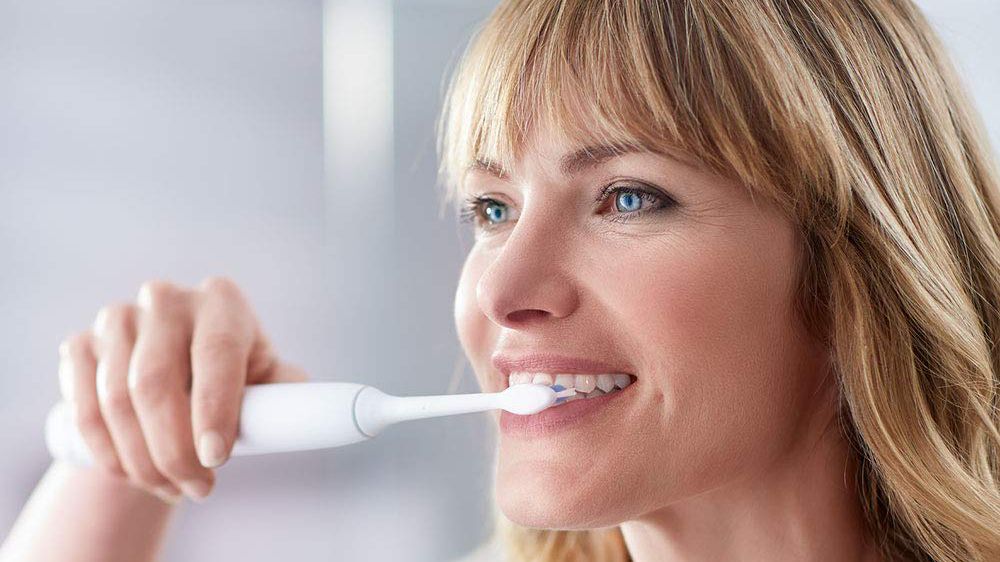
Advantages of an electric toothbrush compared to a manual one
Questions answered by dentist Liina Viksi from Maxilla Dental Clinic.

“The best feedback is always when patients have started using Sonicare between two visits—the difference is clearly visible” says dentist Liina Viksi!
what makes an electric toothbrush so special compared to a manual one?
- The Philips Sonicare electric toothbrush delivers over 60,000 brush movements per minute, ensuring exceptionally effective cleaning. Achieving the same result with a manual toothbrush would take significantly more time.
- The patented Sonic technology provides a thorough clean, is gentle on the gums, and helps prevent various oral health issues.
- Sonic vibration does not damage the gums and can be safely used with orthodontic appliances. It is ideal for everyday brushing.
- Sonic vibration stimulates blood circulation in the gums.
- The brushing program runs for a set duration, helping users adhere to the recommended brushing time. In addition, the interval timer ensures even cleaning throughout the mouth.
- The vibration creates fluid movement in the mouth, helping to clean gum pockets and interdental spaces.
- Clinical studies have shown that Sonicare can clean up to 10 times more effectively than a manual toothbrush.
What are the differences between Philips Sonicare electric toothbrushes? Which model do you recommend?
All Philips Sonicare toothbrushes feature the same core program and number of movements. The differences lie in the number of programs, accessories, and the design of the device. The choice should be based on individual needs.
Different models offer various programs designed to address or prevent specific oral health concerns.
- If you tend to brush too hard, choose a model with a pressure sensor (available on all Sonicare models).
- If your gums are sensitive or inflamed, opt for the “GumHealth” program.
- If you frequently consume staining substances such as black coffee, black tea, or tobacco products, a model with a “White” program is recommended to help remove stains more effectively.
- If your mouth is more sensitive, choose a model with a “Sensitive” program or adjustable intensity settings.
- If you are prone to tartar buildup (requiring removal quarterly), consider a model with a “Polish” program or adjustable intensity.
- Models with an app are recommended for patients who struggle to achieve consistent cleaning or for teenagers to help develop proper brushing habits.
- You can also choose based on appearance—Sonicare combines effective oral care with aesthetic appeal.

Which programs should I start with?
- Program selection should be based on your specific needs (sensitivity, tartar, staining, gum issues, etc.). The core program is the same across all models.
- Sonicare toothbrushes feature EasyStart—the intensity gradually increases over the first 14 uses, making it easier to adapt to the new toothbrush.
Is it easy to get used to an electric toothbrush?
Oral sensitivity varies from person to person. During the first few uses, the vibration may feel unusual or ticklish, but this typically subsides after a few brushing sessions. For example, if you start using a Sonicare toothbrush during gum inflammation, your mouth may be more sensitive, and the adjustment period may take longer.
How often should replace the brush head and how to choose one?
- The brush head should be replaced every three months, just like a manual toothbrush.
- Each brush head includes indicator bristles that fade in color, signaling when it is time for replacement. Most models also feature a replacement reminder on the handle.
- Choose the brush head according to your needs: soft or extra soft bristles, stain removal, sensitivity, or orthodontic care. Sonicare offers brush heads for all needs.
- There are separate brush heads for children ages 3+ and 7+. For children, a smaller 3+ brush head is recommended for easier maneuverability.
- All Philips Sonicare brush heads are compatible with all Sonicare toothbrushes.

At what age can you start using an electric toothbrush?
- The manufacturer recommends starting from the age of 3.
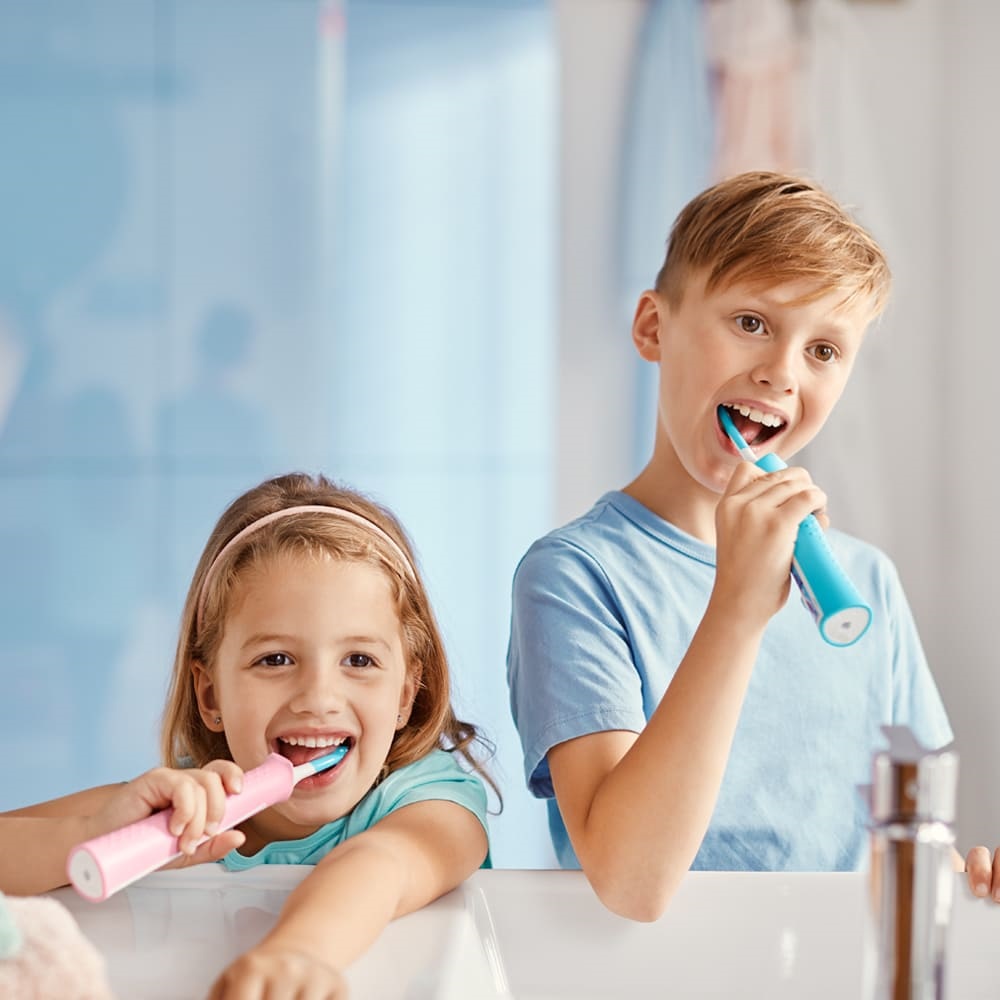
- The children’s electric toothbrush is Sonicare for kids, which has a smaller amplitude and gentler intensity. It includes dedicated programs for ages 3+ and 7+, ensuring the bristle movement matches dental development. It can be used with an app to make brushing educational, fun, and motivating.
- Children can transition to adult toothbrushes from the age of 12.
- Adult models are not suitable for children—even the “Sensitive” mode is too strong.
What are the advantages of Philips Sonicare compared to other electric toothbrushes on the market?
- The unique Sonic technology ensures superior cleaning thanks to the high number of movements, while remaining gentle on enamel and gums. The fluid dynamics improve cleaning of gum pockets and interdental spaces, while also stimulating gum circulation.
- Philips Sonicare is based on clinical and laboratory research conducted in collaboration with dental professionals and is recommended by the Estonian Dental Association!
What else is important to keep in mind?
- Toothpaste selection matters—choose a low-abrasive toothpaste without foaming agents.
- It is important to clean and dry the toothbrush after each use, paying special attention to the brush head connection area.
- Use proper brushing technique—brush gently and slowly, covering all tooth surfaces.
- Philips Sonicare does not replace dental visits, but by making brushing more effective, it may reduce the need for dental procedures.
In summary – if you are looking for an electric toothbrush to improve gum health, remove stains, and effectively reduce plaque, Philips Sonicare will take excellent care of your smile. Daily brushing becomes faster and more efficient.
A brighter smile adds confidence!